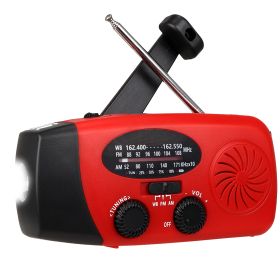
Emergency Communication
Emergency Communication Gear Keeps You Connected
Staying connected is an important part of camping, hiking, and backpacking safely, especially when exploring remote areas. The right emergency communication gear can help you stay in touch with your companions or call for help when needed.
Rule One: Share Your Plans Before You Go
Tell someone where you plan to camp or hike, which routes you expect to take, and when you expect to return. This information is vital to search and rescue teams if you become overdue or need assistance. Remember to update your contact if your plans change.
Rule Two: Stay in Touch With Your Companions
Establish a plan to stay in contact with your group, particularly when traveling through dense forests, rugged terrain, or areas with limited visibility. Whistles signal nearby companions, while two-way radios communicate over greater distances without relying on cellular service.
Rule Three: Choose Communication Gear for Your Adventure
Consider where you’re going, how long you’ll be off-grid, and how often you expect to travel beyond cellular coverage. Simple signaling tools, such as whistles, signal mirrors, flares, and other visual signals, can help attract attention. For remote adventures, personal locator beacons (PLBs) are another way to summon assistance when conventional communication methods aren’t available.
Choose emergency communication gear that matches your destination, activities, and need to stay connected. Before leaving, familiarize yourself with your device's features, operating procedures, and limitations. Being prepared helps you respond more effectively when the unexpected happens.